
Composers You Should Know: Lera Auerbach
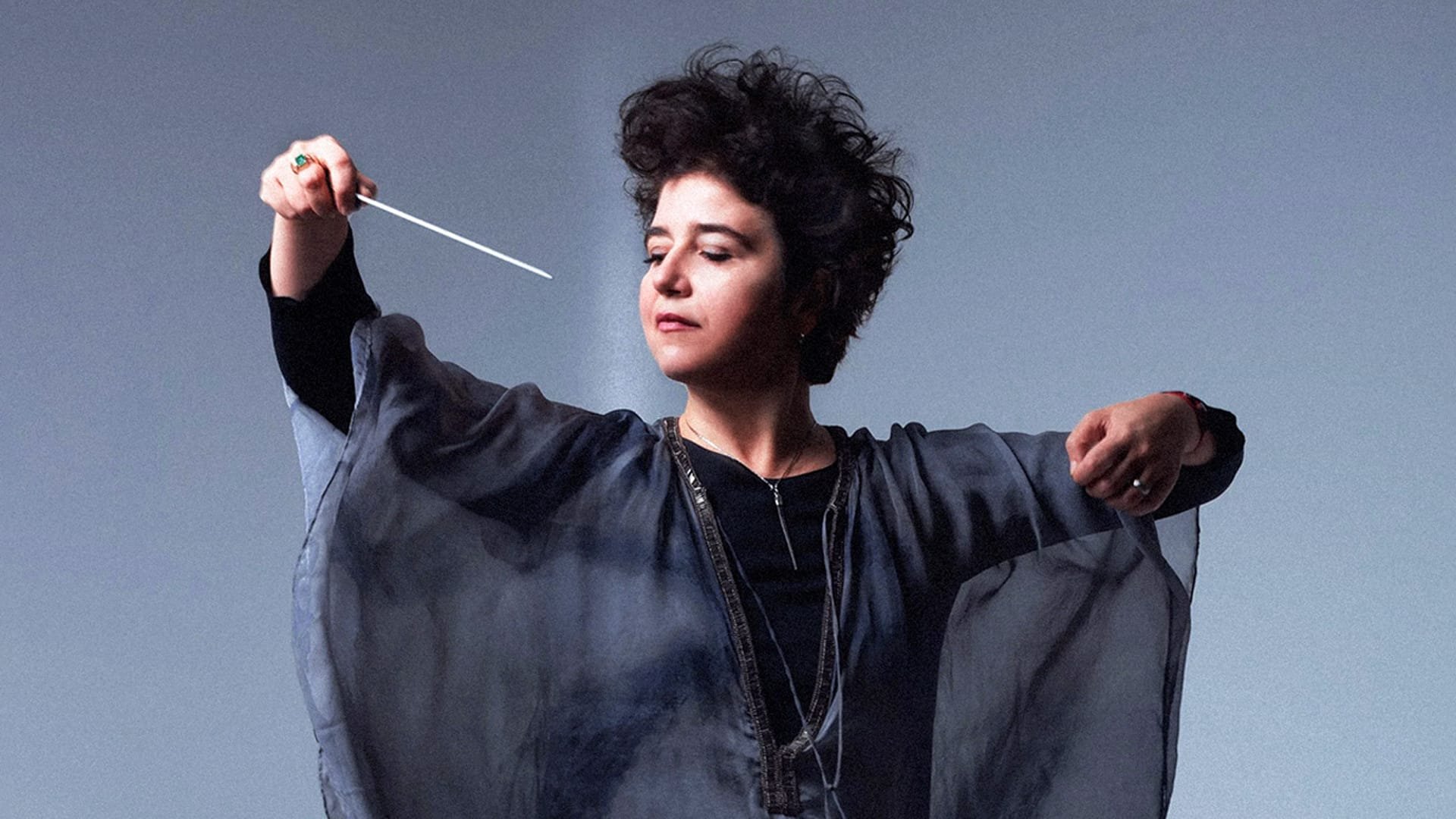
Lera Auerbach, composer, pianist, conductor, poet, and visual artist
Born: October 21, 1973
Birthplace: Chelyabinsk, Russia
Lera Auerbach is a Russian-born American composer whose work spans orchestral music, chamber music, opera, ballet, and interdisciplinary projects. She is also an active pianist, conductor, poet, and visual artist. Her output engages with classical forms while adding contemporary musical language shaped by displacement, memory, and literary influence.
Her music frequently draws on established genres - preludes, symphonies, operas, and ballets - while incorporating harmonic ambiguity, abrupt contrasts, and theatrical pacing. The result is a body of work that moves between tonal reference points and more fragmented, dissonant textures, often suggesting psychological or symbolic narratives beneath the surface.
Early Life & Education
Auerbach was born in Chelyabinsk, in Russia’s Ural region. She began piano studies early, performing publicly at six and appearing with orchestra by eight. At twelve, she composed an opera that was staged and toured within the Soviet Union.
Alongside music, she developed as a writer, publishing poetry before the age of eighteen. This dual focus on language and sound continues to inform her work.
In 1991, while on a concert tour in the United States, Auerbach chose to remain in New York as the Soviet Union dissolved. She arrived without English proficiency and began building a career.
She studied piano and composition at The Juilliard School with Joseph Kalichstein, Milton Babbitt, and Robert Beaser. She also pursued comparative literature at Columbia University and later continued piano studies at the Hochschule für Musik in Hannover.
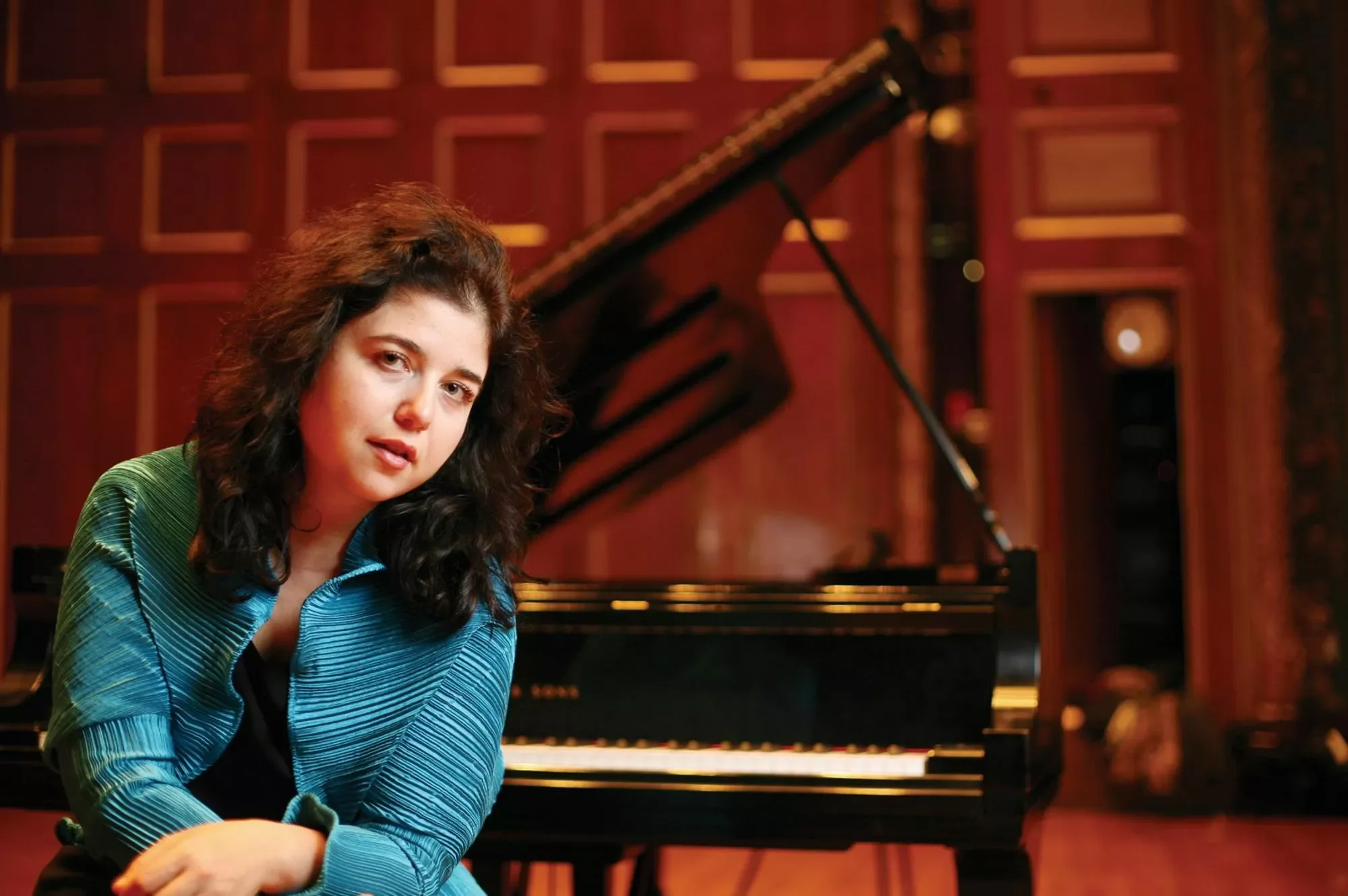
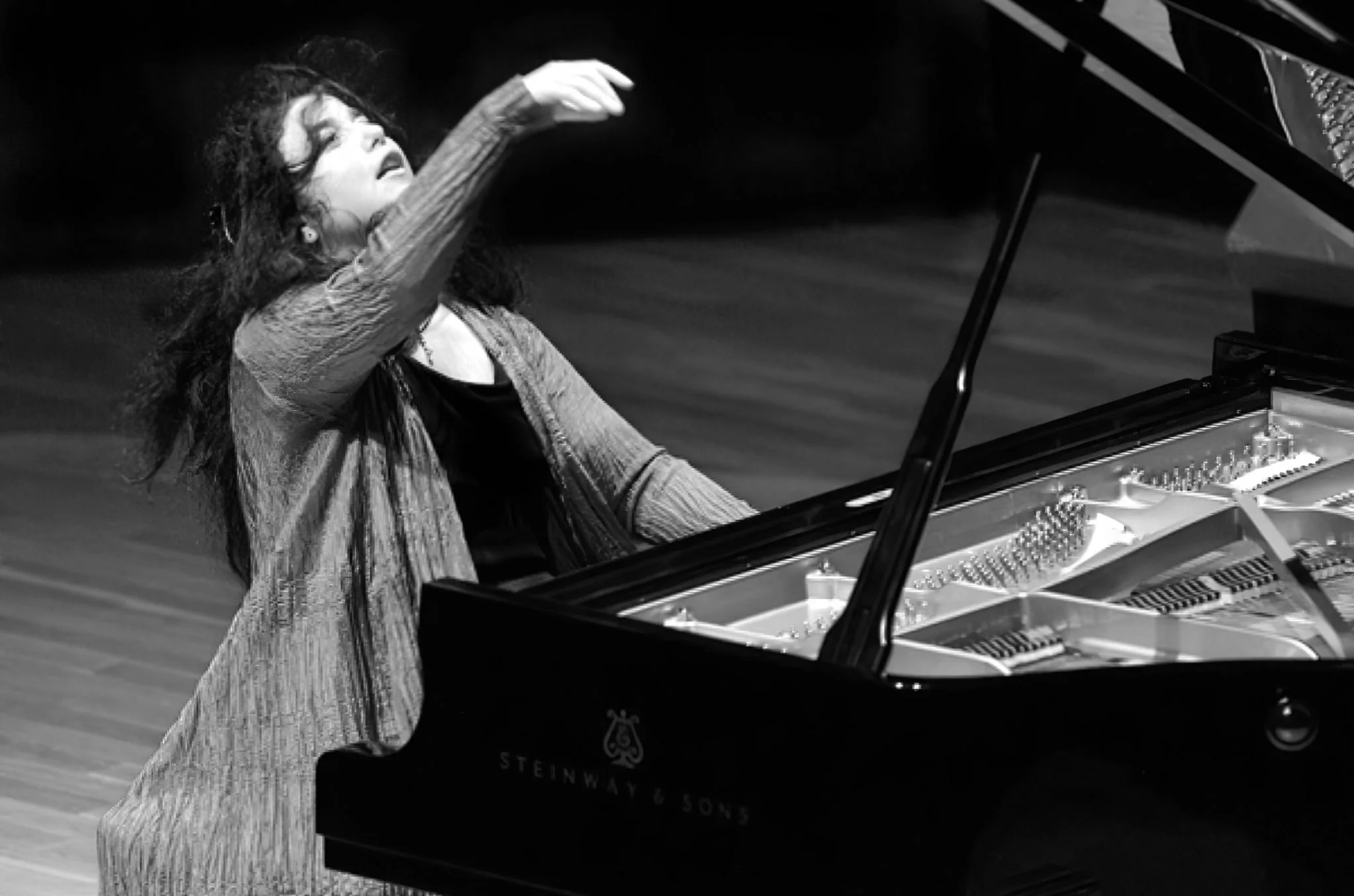
Musical Style & Approach
Auerbach’s music often operates between tonal and atonal systems, shifting quickly between lyric passages and more dissonant or fragmented material. Her work reflects the influence of composers such as Chopin, Shostakovich, Prokofiev, and Schnittke, particularly in its use of contrast, irony, and structural tension.
She frequently uses traditional forms as frameworks, but fills them with material that resists stable resolution. Rather than developing themes in a conventional sense, she often revisits gestures in altered states, creating the sense of memory being refracted or re-experienced.
Extra-musical ideas play a central role in shaping her work. Concepts such as mirrors, mythological figures, or symbolic structures often determine how a piece unfolds. These ideas are organizing principles that guide pacing, form, and emotional trajectory. As a result, her music often feels theatrical or ritualistic, even in purely instrumental settings.
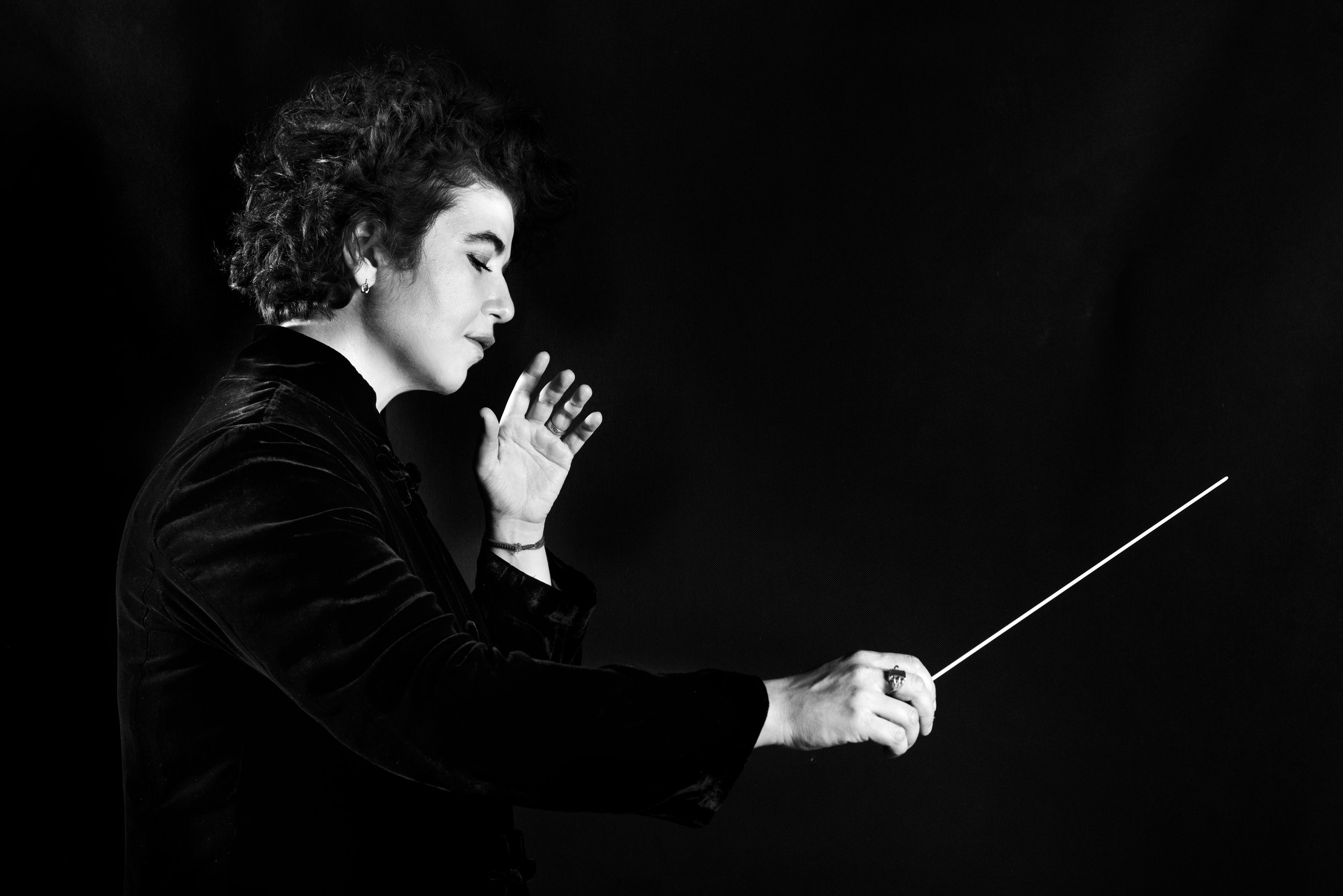
Photo by Cezari
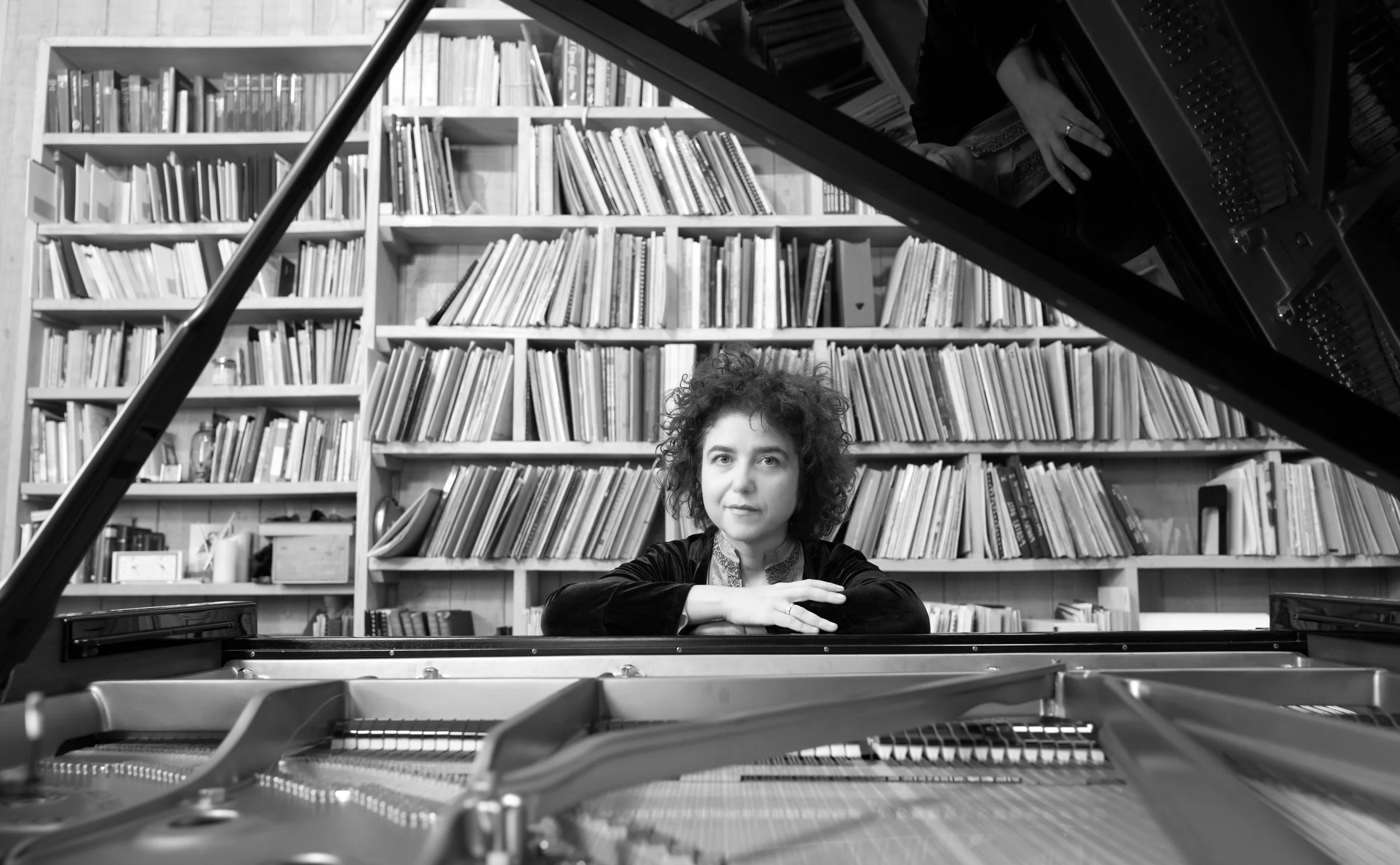
Photo by Rafael DeStella
Major Works
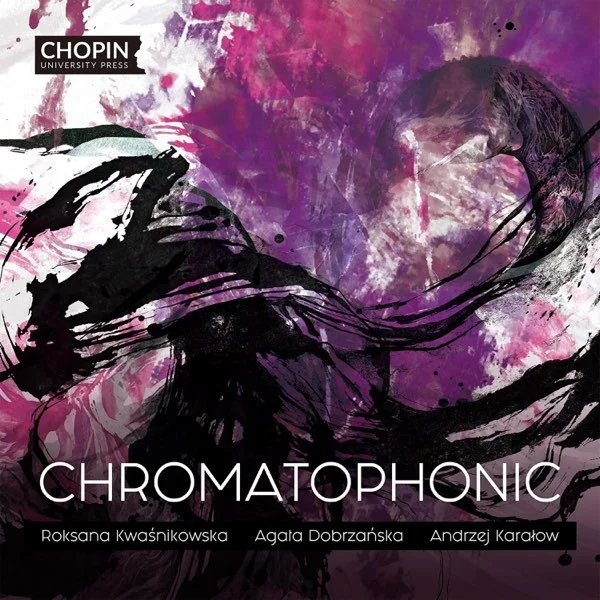
Piano Trio No. 2, This Mirror Has Three Faces
Auerbach’s Piano Trio No. 2 is structured as a triptych - a three-part form borrowed from visual art, where a central panel is framed by two outer panels. This idea shapes both the architecture and the expressive logic of the piece.
The trio unfolds in five movements arranged symmetrically: two outer movements, two inner movements, and a central core. The outer sections function like framing panels, presenting material that returns in altered form, while the central movement acts as a point of focus or confrontation.
The title suggests three “faces” or identities, which can be heard in the shifting relationships between violin, cello, and piano. At times the instruments act independently, as if occupying separate panels; at other moments they align or mirror one another. Musical ideas recur across movements in transformed versions, reinforcing the sense of reflection rather than linear development.
The triptych structure allows Auerbach to explore contrast and symmetry simultaneously. The piece folds back on itself, rather than moving in a single forward direction, creating a layered, reflective form. The result is a work that feels less like a narrative progression and more like a set of perspectives on the same underlying material.
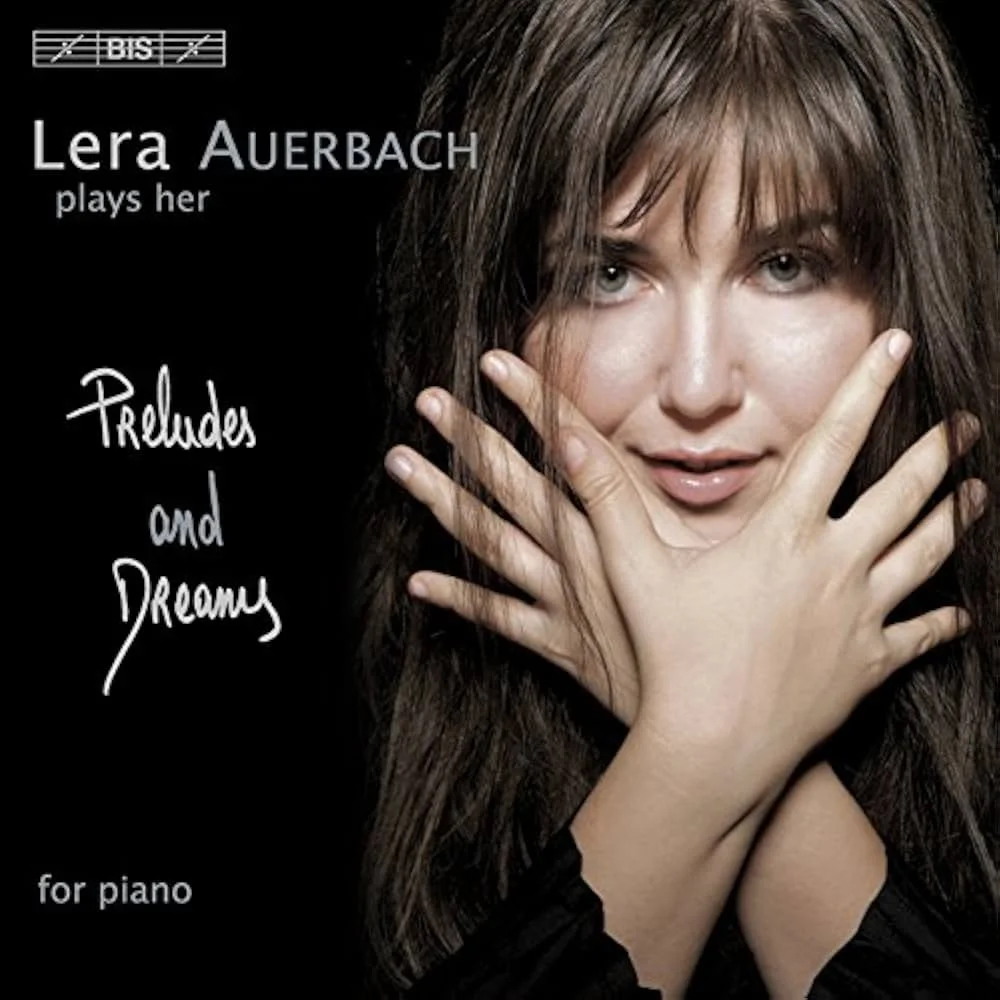
24 Preludes
Auerbach has written multiple sets of preludes, including cycles for solo piano, violin and piano, and cello and piano. These works follow the tradition of composing in all twenty-four keys, associated with Chopin and Shostakovich.
Each prelude functions as a short, self-contained piece, often built around a single gesture or texture. The cycles emphasize contrast across movements rather than continuity.
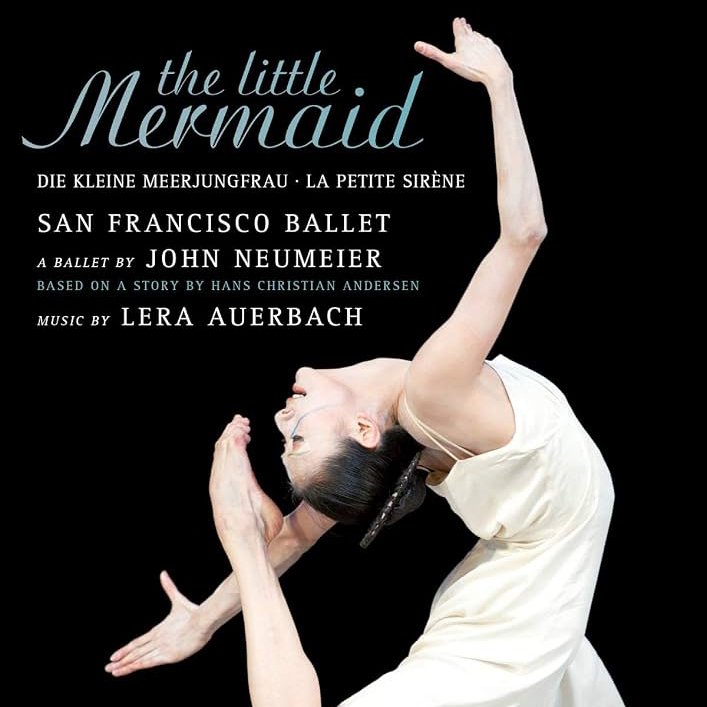
The Little Mermaid
Auerbach’s ballet The Little Mermaid, created with choreographer John Neumeier for the Royal Danish Ballet, premiered in 2005. The score supports a full-length adaptation of Hans Christian Andersen’s story, emphasizing its darker psychological elements.
The music combines orchestral color with recurring motifs, shaping the ballet’s dramatic arc.
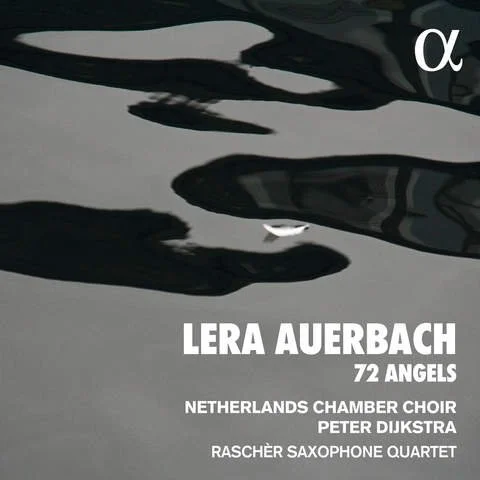
72 Angels
72 Angels is written for choir and saxophone quartet and structured as a sequence of seventy-two short movements followed by an epilogue. The work draws on symbolic and spiritual frameworks, using repetition and variation to create a large-scale form.
The combination of voices and saxophones produces a distinctive, sustained sound world built from layered harmonic textures.
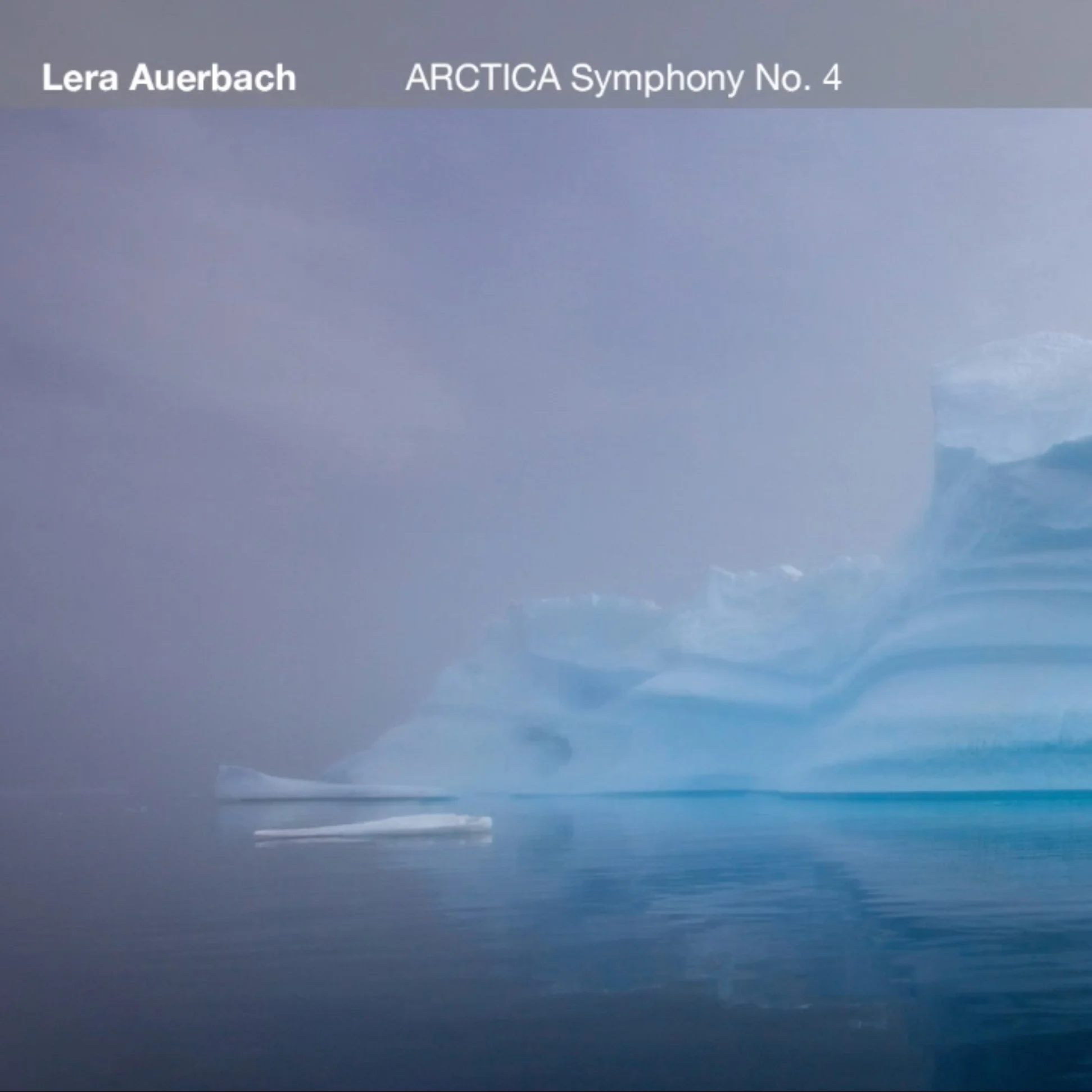
Arctica
Symphony No. 4, Arctica, was commissioned by the National Geographic Society and premiered by the National Symphony Orchestra in Washington, DC, with Auerbach as piano soloist. Scored for piano, choir, and orchestra, the work reflects Arctic landscapes and cultures.
The piece moves between expansive choral writing and more concentrated instrumental passages, balancing large-scale atmosphere with intimate detail.
Influence, Legacy, & Cultural Impact
Auerbach’s work has been commissioned and performed by major orchestras, ensembles, and ballet companies, including the Royal Danish Ballet, Hamburg Ballet, and the National Symphony Orchestra. Her collaborators have included performers such as Gidon Kremer, Vadim Gluzman, David Finckel, and Wu Han.
Her career reflects a multidisciplinary approach that integrates composition, performance, writing, and visual art. Rather than separating these practices, she develops them in parallel, allowing ideas to move between mediums.
Her music occupies a space between established classical traditions and contemporary experimentation. While she draws on recognizable forms and historical references, she uses them as frameworks for exploring questions of identity, memory, and perception. The presence of symbolic structures and visual metaphors gives her work a distinctive character, positioning it as both formally grounded and conceptually driven.
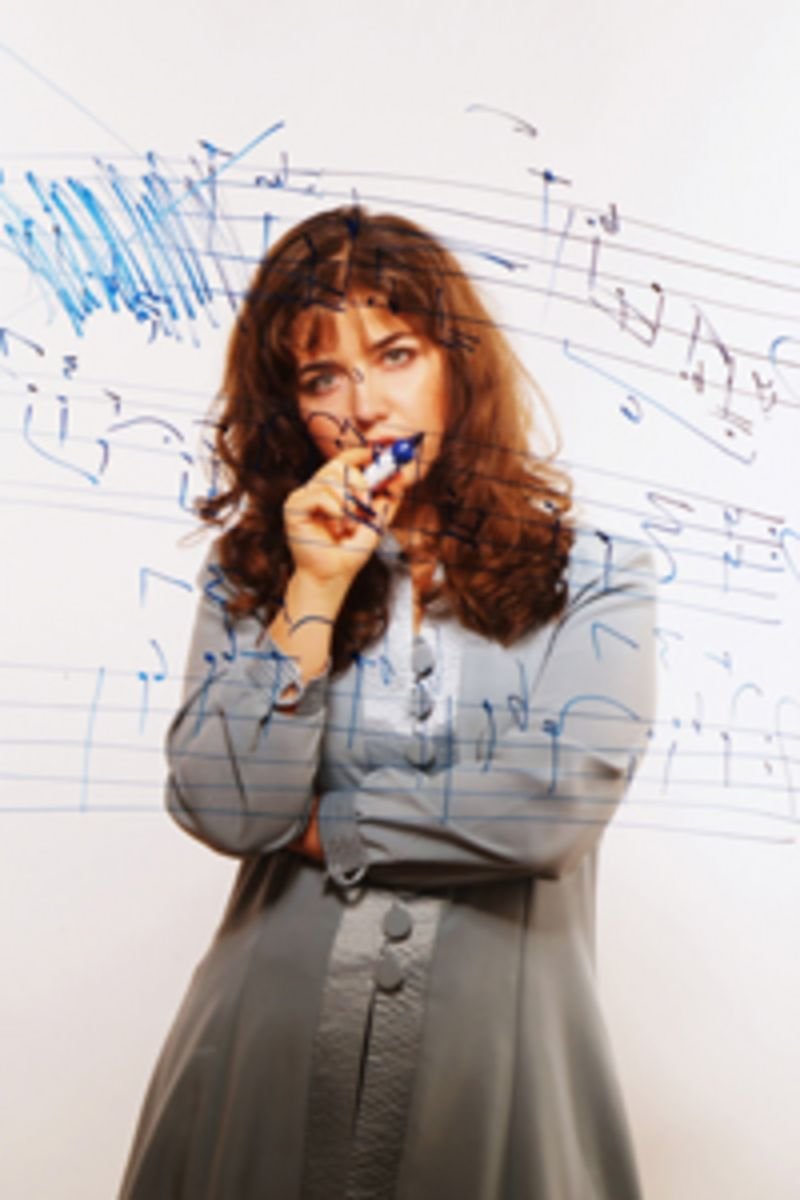
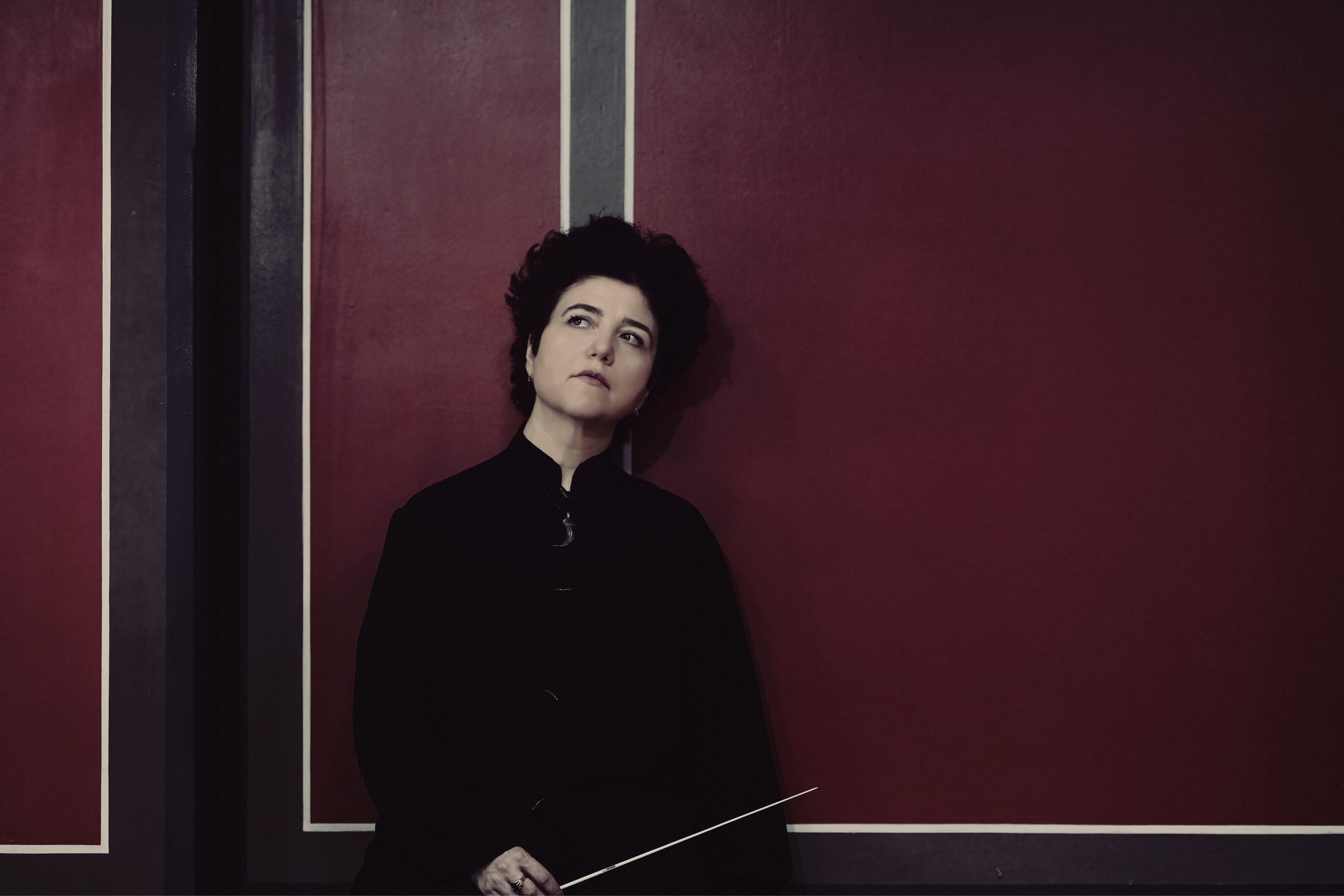
Photo by Michael Reinicke
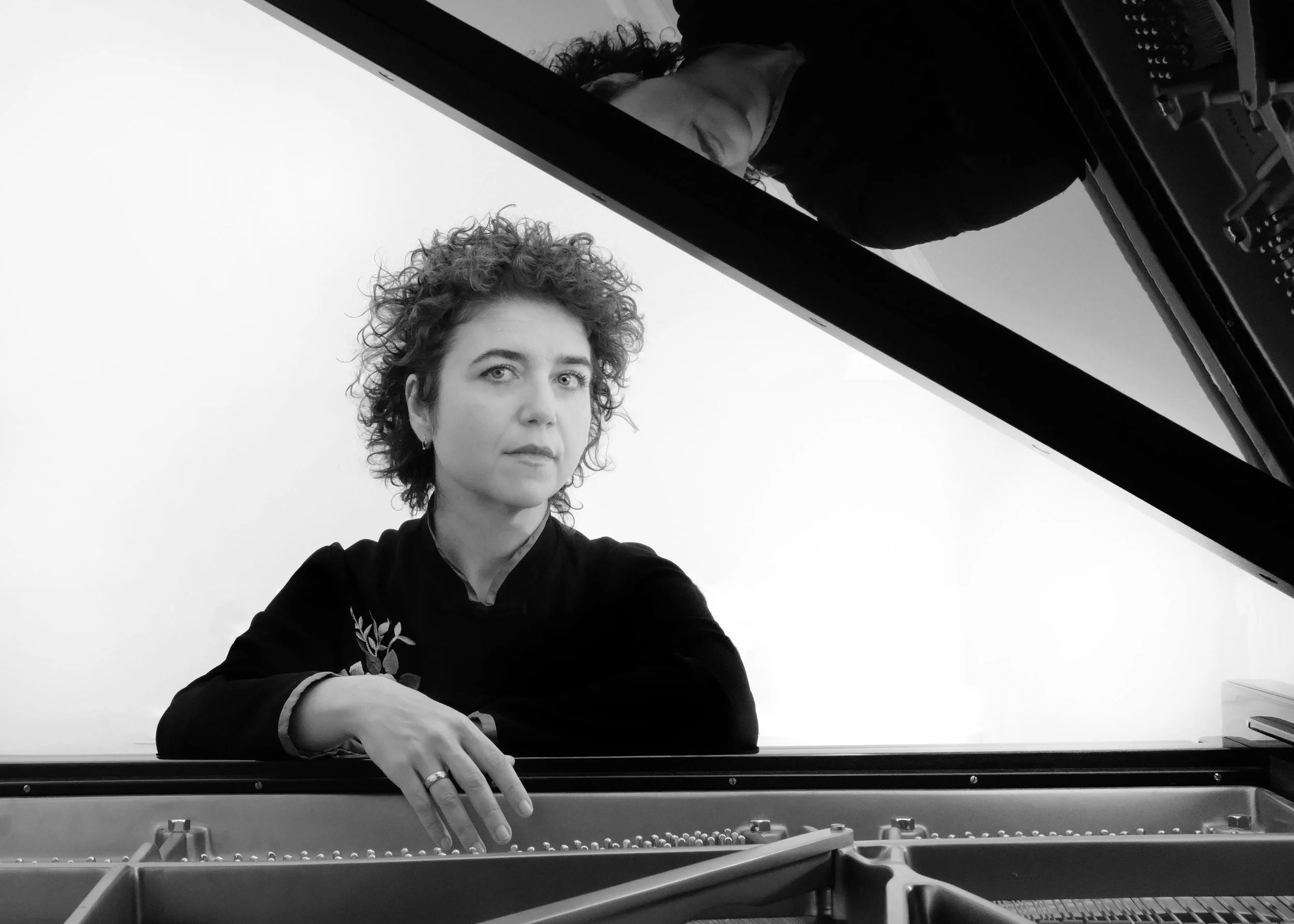
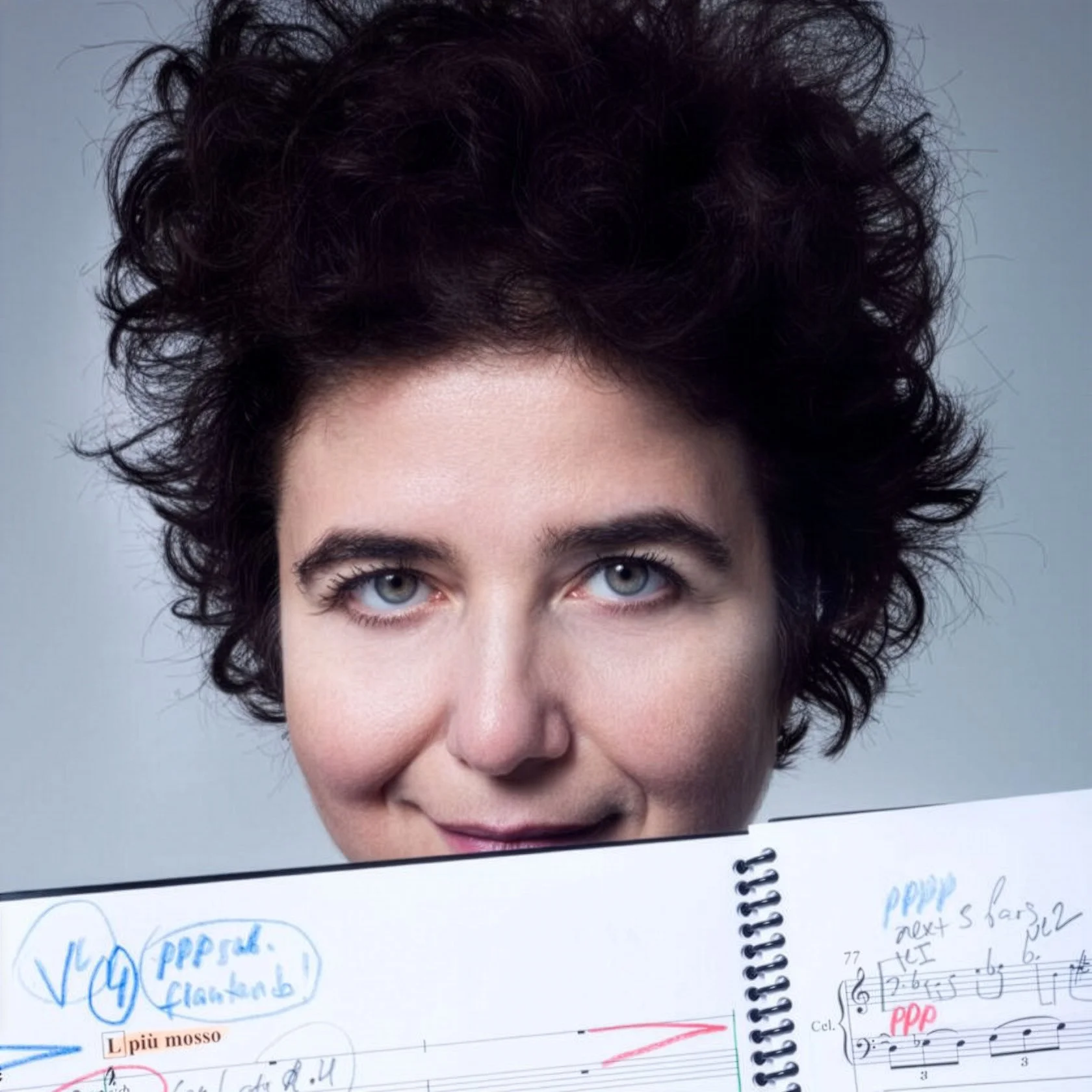
Photo by Rafael DeStella
Conclusion
Lera Auerbach’s work is defined by its range and its engagement with multiple artistic disciplines. Across orchestral, chamber, and stage works, she continues to explore how traditional forms can accommodate contemporary ideas.
Her output reflects both her training within the classical tradition and her broader artistic practice, resulting in a body of work that resists simple categorization.
Interviews
Performance Videos
Links
Lera Auerbach Official Website
Lera Auerbach: Renaissance Woman on Fire | San Francisco Classical Voice
Listening to a Disconnected Society: Lera Auerbach's Opera ‘The Blind’ | The New York Times
First You Are Blindfolded... Laurie Anderson Meets Lera Auerbach | Harper's Bazaar
Eleanor Wachtel speaks with Lera Auerbach (long-form broadcast interview) | Wachtel on the Arts (CBC Radio One)
Review: At the National Symphony Orchestra, a Composer in Delightful Dialogue with Mozart | The Washington Post
Lera Auerbach unveils a darkly formidable new piano work | San Francisco Chronicle
Lera Auerbach: Her Life and Music | Boosey & Hawkes
Programs featuring Lera Auerbach’s compositions
Counterpoint Concerts will feature Lera Auerbach’s Piano Trio No. 2, This Mirror Has Three Faces in its 2026–2027 season-opening program, AMERICA!